The Group Chat Is Not the Project Plan
Turn a group chat project plan into a clear shared record, so collaborators can see what was decided, what remains open, and what to do next.

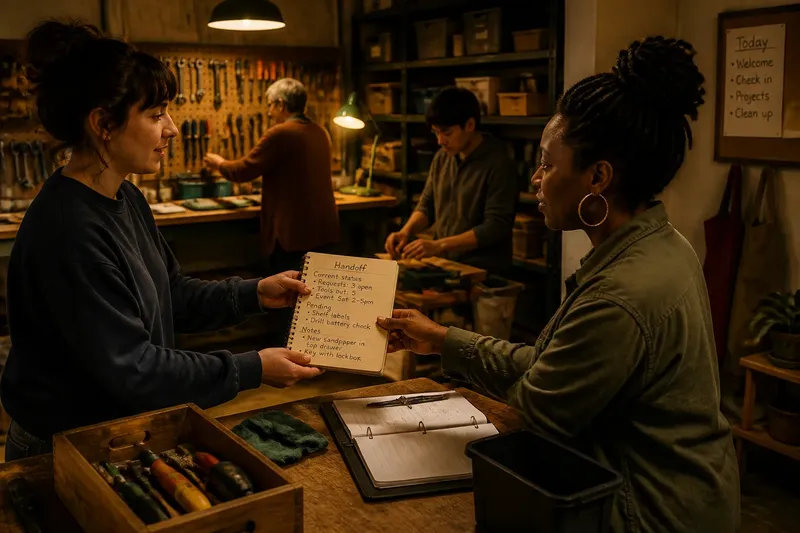
A group chat project plan needs a home outside the chat. When the group agrees on a choice or changes direction, the useful part of the conversation can disappear beneath later messages unless someone moves it into a shared working record.
Keep chat for discussion and quick coordination. Use a shared document or board to show the current state of the work, including unresolved questions and the reason behind major changes. The goal is not to create another layer of administration; it is to make the project understandable without rereading an entire thread.
Choose a working surface
Choose a format that suits the work itself. A shared Google Doc works well when the project depends on a sequence of decisions or notes. A Trello board can suit work that moves through stages. A spreadsheet is useful when collaborators need to compare options in rows.
Before settling on one, check whether everyone can access it and edit it. Then add only the fields needed to make the project legible:
- Current direction: what the group has agreed to do.
- Open question: what is still undecided.
- Next move: the action or information that will help the group proceed.
- Context: a short note about why the choice matters or what could change it.
Put one link to this working surface in the chat description or a pinned message. If the group changes tools, carry over the current direction and open questions before asking everyone to use the new location.
Separate outcomes from talk
Not every useful chat message belongs in the shared record. Capture the outcome when a conversation changes what the group will do, what it needs to learn, or how collaborators understand the project. Leave the surrounding banter and repeated suggestions in chat.
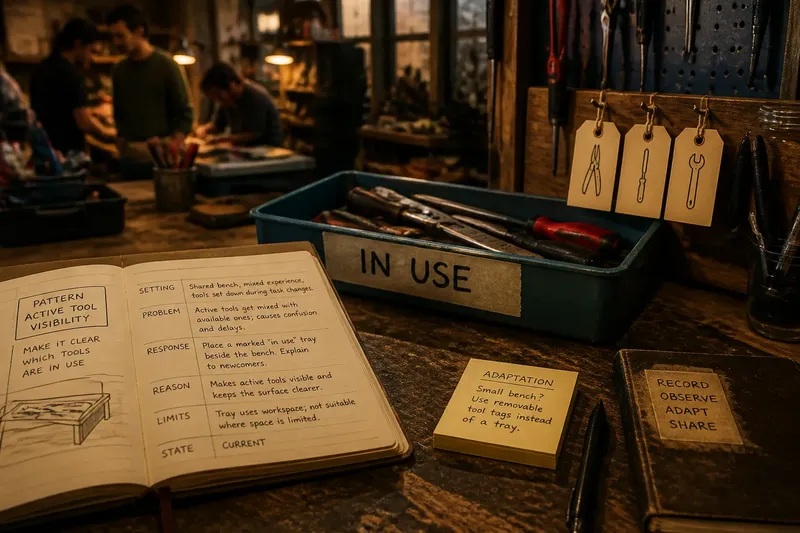
Use plain labels to avoid turning a proposal into a settled choice. For example, mark an item as proposed, decided, open, or superseded. Add a brief reason when it will help someone understand the choice later.
Keep the record focused on the project's current state, not as a transcript. A short explanation of a change is more useful than copying a long exchange.
Give the record a rhythm
Choose a regular moment to review the record, such as before a shared work session. A predictable review helps collaborators notice stale assumptions without adding a meeting just to reread chat.
After a meaningful exchange
Write the outcome in the shared surface while the context is fresh. If the group has not agreed, record the question and what information would help resolve it rather than presenting one suggestion as the plan.
Before shared work
Read the current direction and open questions. If a choice depends on information that has changed, pause and bring that change back to the group before building on an outdated assumption.
When work pauses
Mark what is still relevant and what has gone stale. Remove obsolete notes from the active view, but retain a brief explanation when it helps collaborators understand why the project changed course.
Move from chat to plan?
What should move out of chat?
Move decisions, changed assumptions, unresolved questions, and information that affects the next part of the work. A joke, a repeated idea, or a detail with no effect on the shared effort can stay in the conversation.
How can a group show uncertainty?
Label the item as open or proposed, then state what is missing. For instance, note that the venue choice depends on a reply from the community center rather than treating a preferred room as confirmed.
What if someone missed the discussion?
Write a concise account of the outcome and the relevant context, then share the record link in chat. If an absent collaborator's input could change the decision, say that the choice is provisional and invite their response.
How should a changed plan read?
Make the current direction easy to spot and add a short note about what changed. Keep earlier context only when it helps explain work already underway or prevents confusion.
Work through a real thread
Imagine a volunteer group planning a neighborhood repair café. Its chat contains three ideas for setting up the check-in table, but nobody has settled on a location. The group agrees that the library's entrance is a possibility, subject to permission.
First, the group puts “Check whether the library permits a check-in table near the entrance” under open question in its shared document. It adds that the choice depends on the library's response, so nobody mistakes the idea for an approved arrangement. The group then discusses what information to request, and the document stays focused on the decision rather than copying every message.
Next, the group records the reply when it arrives. If the library approves the location, the group can mark it as the current direction and plan the setup around it. If permission is denied, the open question remains unresolved and the group can compare another location without having to reconstruct what the original idea depended on.
This approach makes the record useful even before the group has a final answer: it shows the choice under consideration, the condition attached to it, and what response will change the plan.
Keep the page readable
Use a few consistent habits so collaborators can scan the shared surface quickly:
- Check whether a statement is settled. If the group has agreed, label it as current direction; if not, mark it open and state what would resolve it.
- Check whether a note changes the work. If it affects a choice or next move, keep it; otherwise, leave it in chat.
- Check whether context is missing. If the choice may seem arbitrary later, add a short reason; if not, avoid extra explanation.
- Check whether an old note is still active. If it is outdated, mark it superseded or remove it from the active view; if it explains a continuing constraint, retain that context.
- Check whether collaborators can find the record. If the link is buried, pin it or place it in the chat description; if access is blocked, fix permissions before relying on the page.
- Check whether the page is becoming a transcript. If it repeats the conversation, condense it to the outcome and relevant reason; if a detail could change the choice, retain that detail.
When a project has several contributors, keep the shared surface open to corrections. The aim is a record people can use together, not a second conversation that only one person understands.
Make the link useful
A group chat project plan works when the chat points to a readable account of the work, not when collaborators are expected to remember which message mattered. Keep the current direction visible, preserve uncertainty honestly, and use the shared page to show what information could alter the next choice.
When someone asks a question already answered in the record, share the relevant section rather than pasting a bare link. That small gesture helps the group use the shared surface as part of its conversation, while keeping the conversation itself flexible.